



MINERAL HYBRIQ SURFACES
HYBRID MINERAL SURFACES TO CREATE INNOVATIVE SPACES THAT ENDURE OVER TIME

Silestone is a low-silica mineral surface composed of premium minerals and recycled materials.
Its revolutionary Hybriq+® technology effectively reduces crystalline silica content, resulting in an innovative, sustainable, and high-performance mineral surface.
A LEADING BRAND FOR OVER 30 YEARS THAT INSPIRES DESIGNS FOR KITCHENS, BATHROOMS AND HOME SURFACES
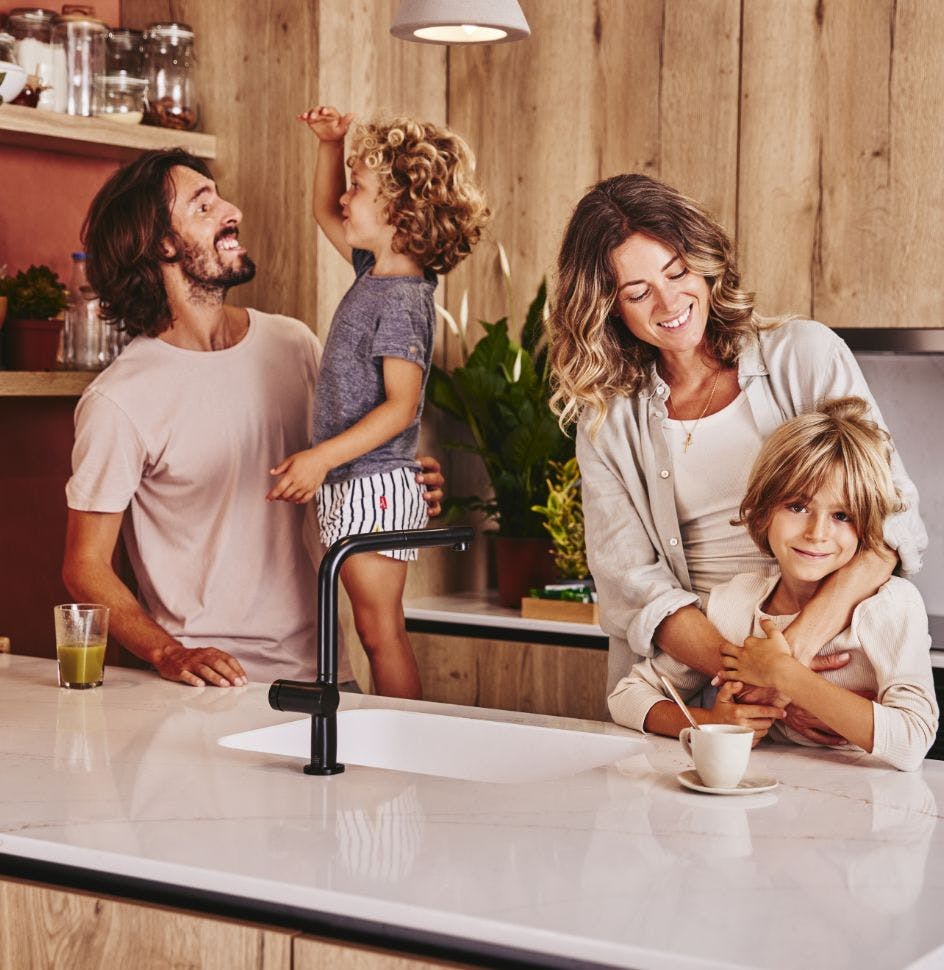
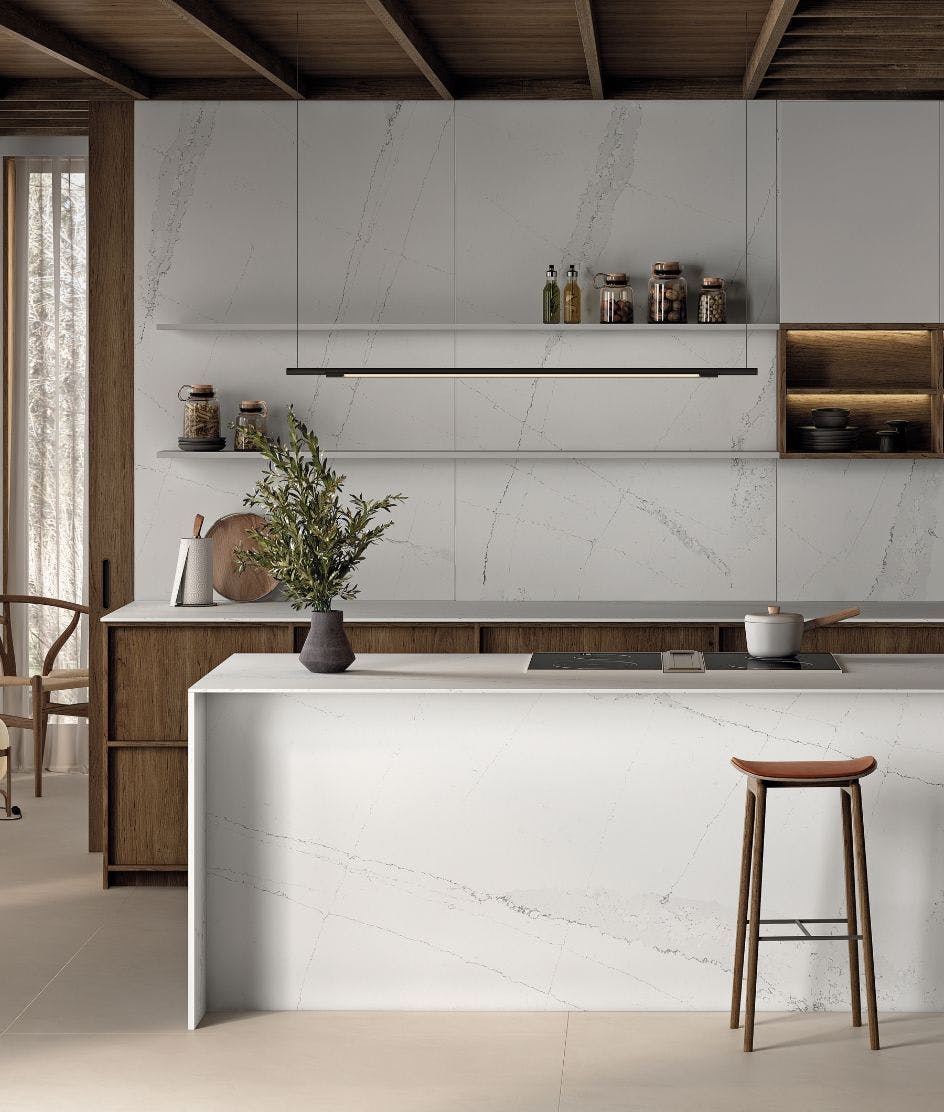
Kitchens to live in
We have reached millions of homes in over 100 countries, creating experiences that improve people’s lives.
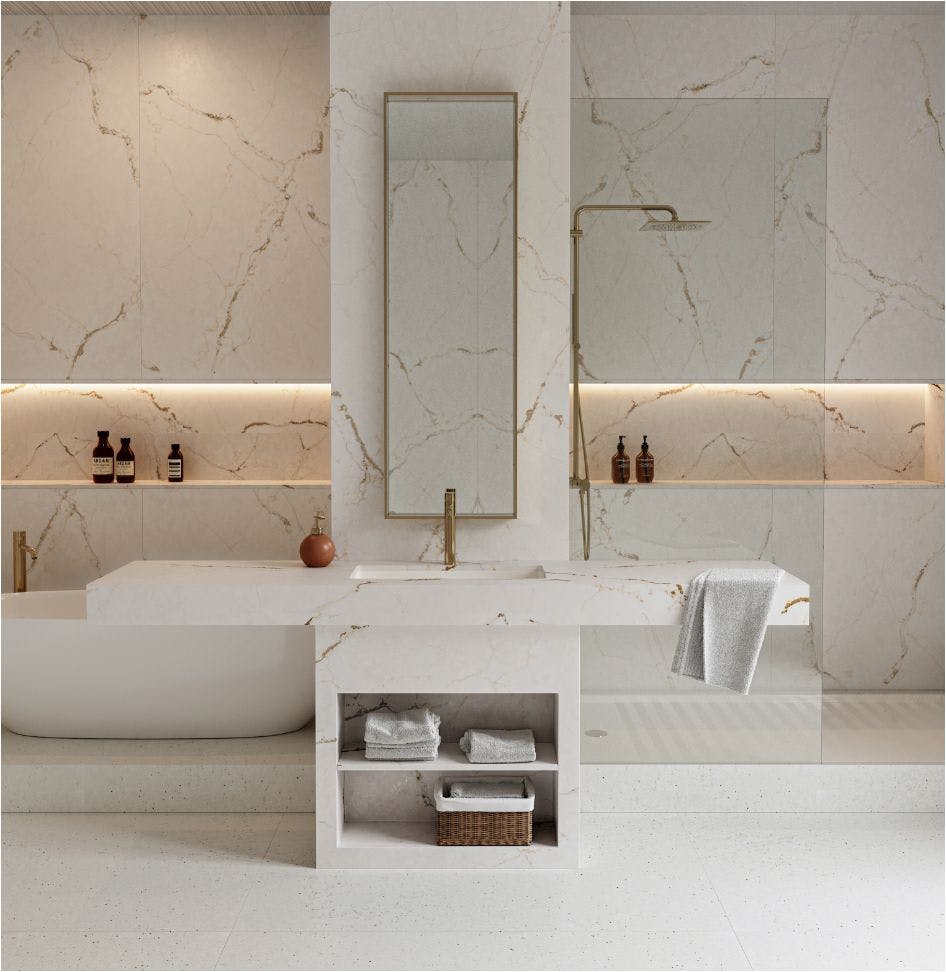
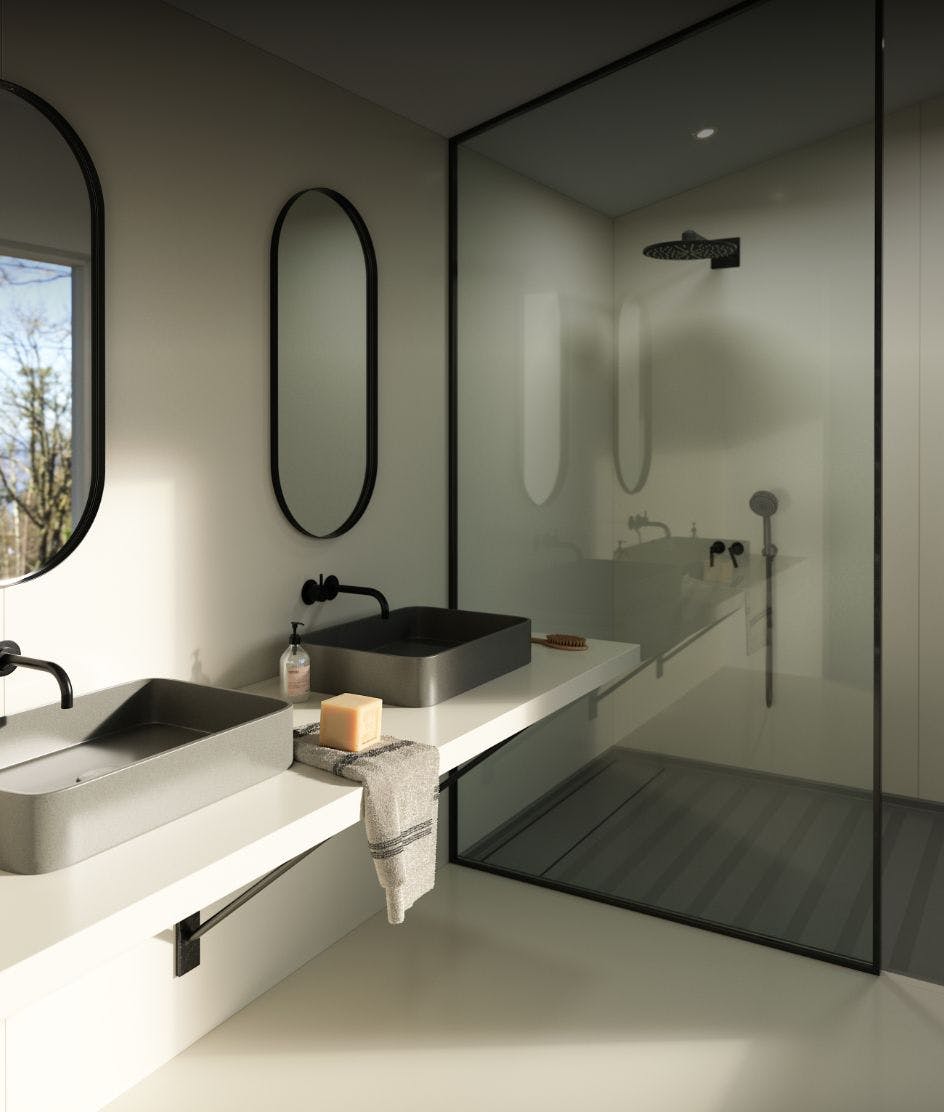
Inspiring Bathrooms
Unique and personalized spaces, with colors and textures in perfect balance where quality prevails.
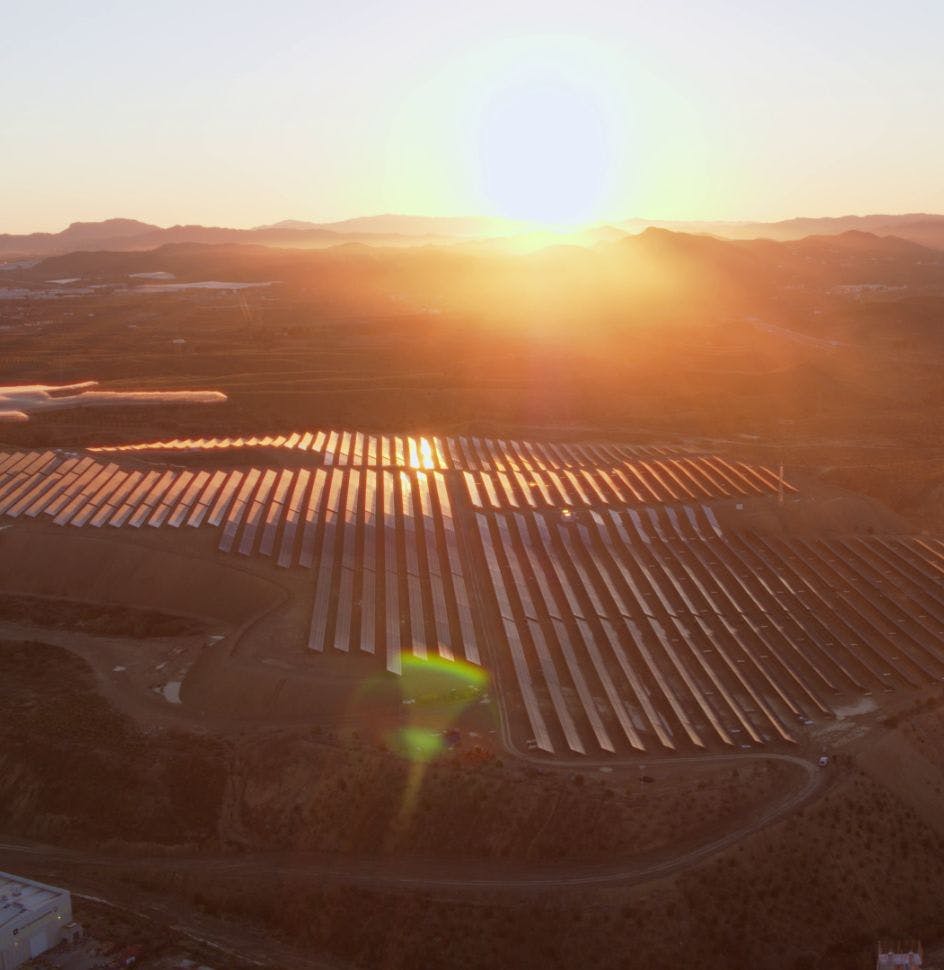
Sustainable Innovation
Sustainability and innovation come together in surfaces composed of minerals and recycled materials.
HYBRIQ+® TECHNOLOGY
2020 MARKS THE BEGINNING OF A NEW REVOLUTIONARY TECHNOLOGY THAT REDUCES THE CRYSTALINE SILICA CONTENT IN SILESTONE
In 2020 we launched our revolutionary technology Hybriq+®, that drastically reduces the content of crystalline silica in Silestone’s composition, blending premium minerals with recycled materials to create a new product category: Hybriq+® Mineral Surfaces.
Hybriq+® Technology Features
-
 Up to 10% and 40% of crystalline silica
 -
99% Reused water
-
100% Renewable Electric Energy
-
Minimum 20% recycled materials
 Up to 10% and 40% of crystalline silica
  99% Reused water
  100% Renewable Electric Energy
  Minimum 20% recycled materials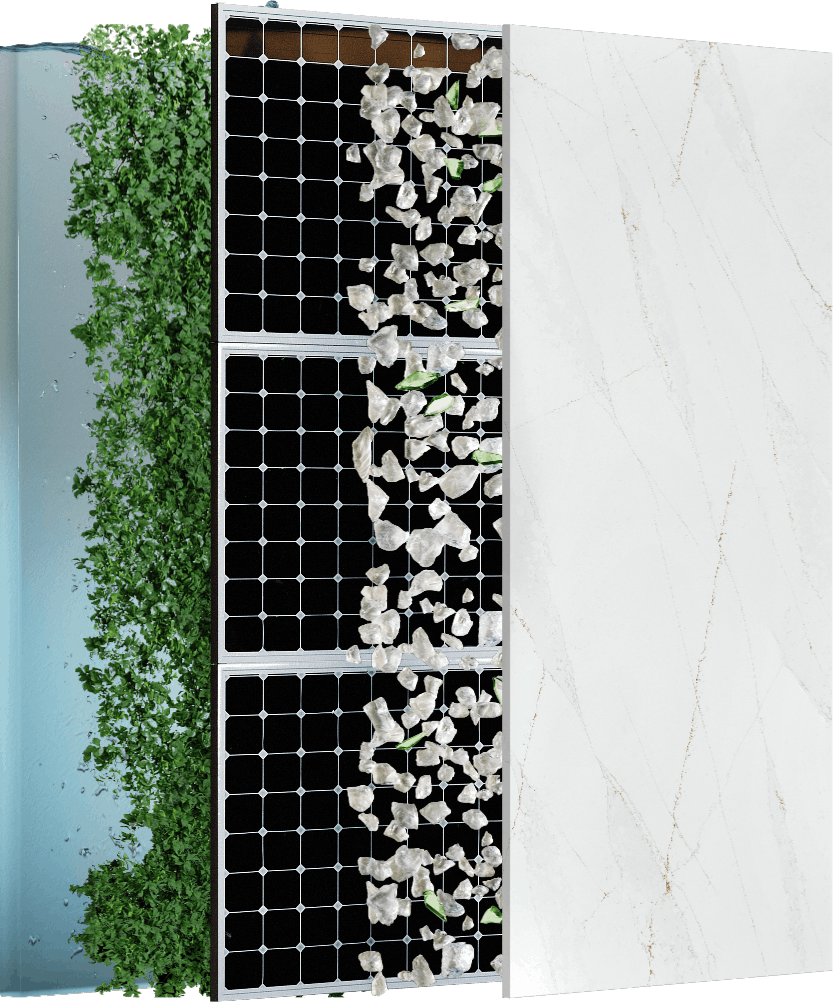
EACH SILESTONE COLOR FEATURES A LABEL INDICATING THE MAXIMUM PERCENTAGE OF CRYSTALLINE SILICA PRESENT IN ITS COMPOSITION
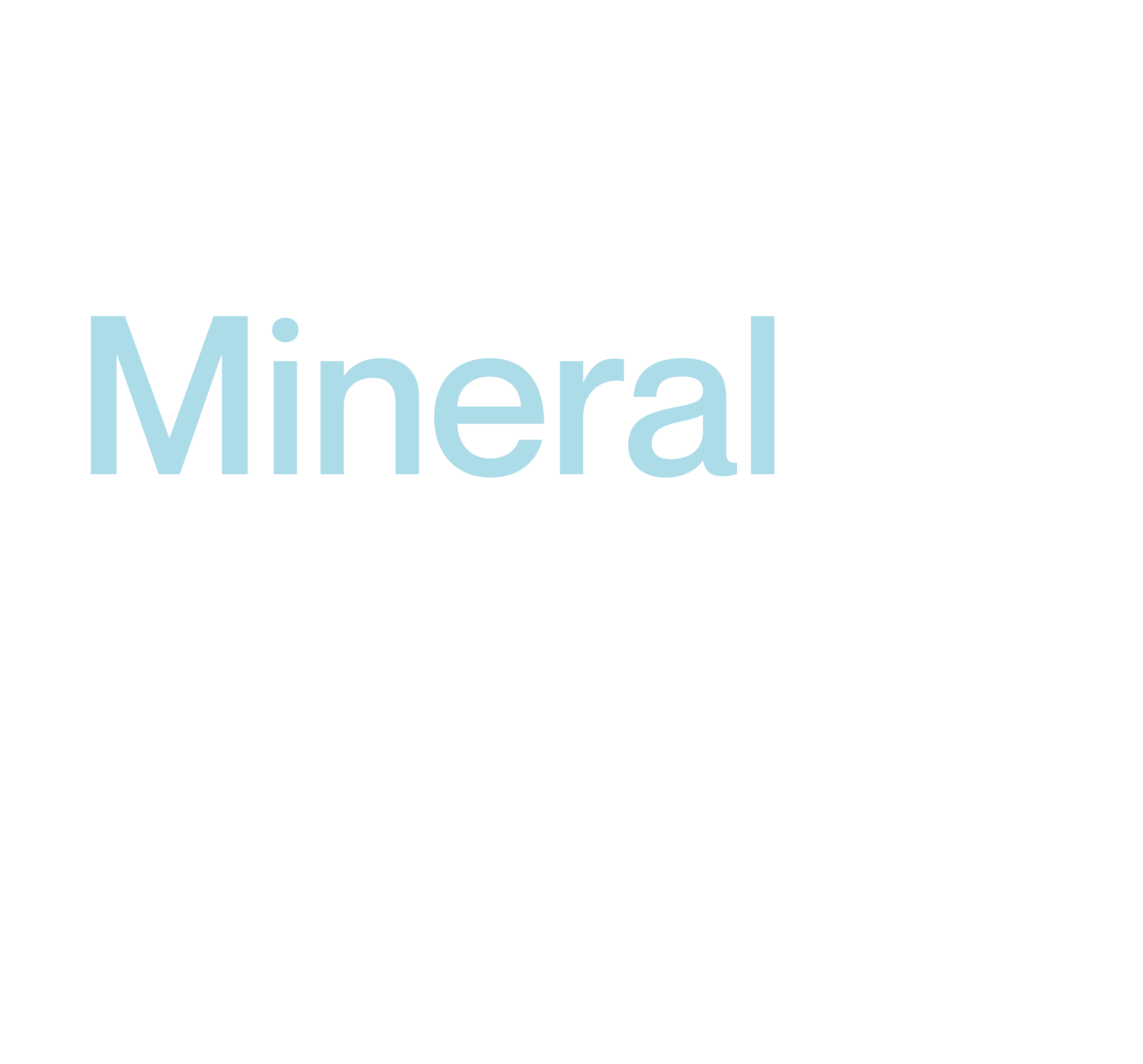
Max. 40% crystalline silica
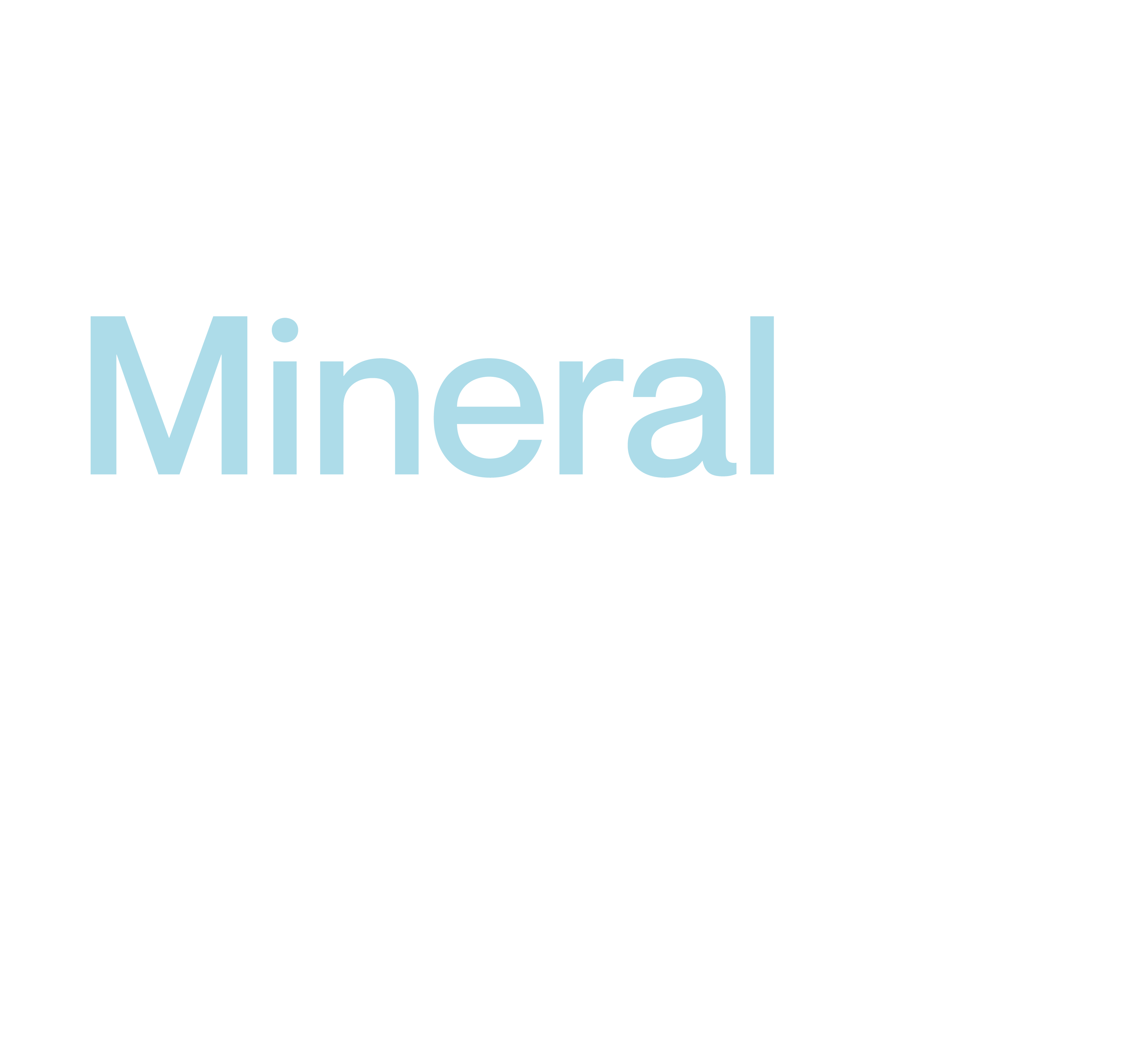
Max. 10% crystalline silica
SilestoneXM is our design mineral surface with a maximum content of 10% crystalline silica, embracing the entire Q10 range of Silestone.
SILESTONE AND THE HYBRIQ+® TECHNOLOGY
SINCE 2023, ALL SILESTONE COLORS ARE MANUFACTURED WITH LOW CRYSTALLINE SILICA CONTENT POWERED BY HYBRIQ+®
HYBRIQ+® IS THE RESULT OF YEARS OF INNOVATION AND INVESTMENT
2017
Anticipating the future
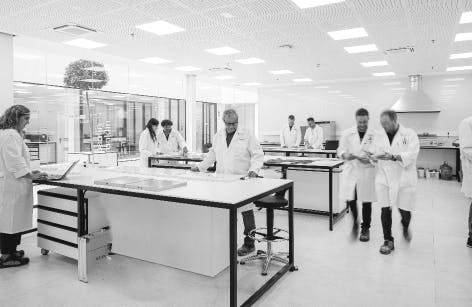
RESEARCH IN SILICA REDUCTION
To find the best possible solution to reduce silica percentage without decreasing Silestone performance.
2020
A Breakthrough Technology
HYBRIQ+® TECHNOLOGY LAUNCH
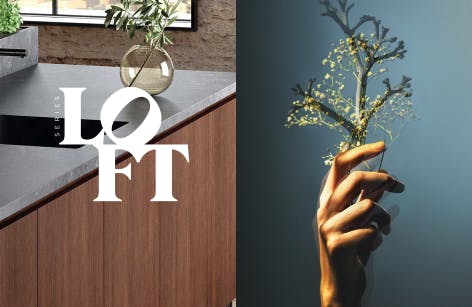
Loft and Sunlit Days introduce Hybriq+®, being the first collections with drastically reduced level of crystalline silica.
2023
Less is more
A NEW MILESTONE IN CRYSTALLINE SILICA REDUCTION
In 2023, from our entire production, Q40 represented 85% and Q10 15%
A TECHNOLOGY CERTIFIED BY PRESTIGIOUS INTERNATIONAL ORGANIZATIONS

This Verification Statement claims that our Hybriq+® technology complies with the highest environmental standards, maintaining the same level of performance, durability and resistance properties of Silestone.

Our Hybriq+® technology achieved at the beginning of 2023 independent certification from SGS Australia for its entire Silestone color portfolio to contain less than 40% crystalline silica.
HEALTH AND SAFETY HAS ALWAYS BEEN PART OF SILESTONE DNA
Silestone has been present in kitchens around the world for over 30 years. It has been certified as safe and not generating any type of risk for the final consumer.
Safety, health and sustainability of our employees, customers as well as our entire value chain is a key factor and part of our DNA.
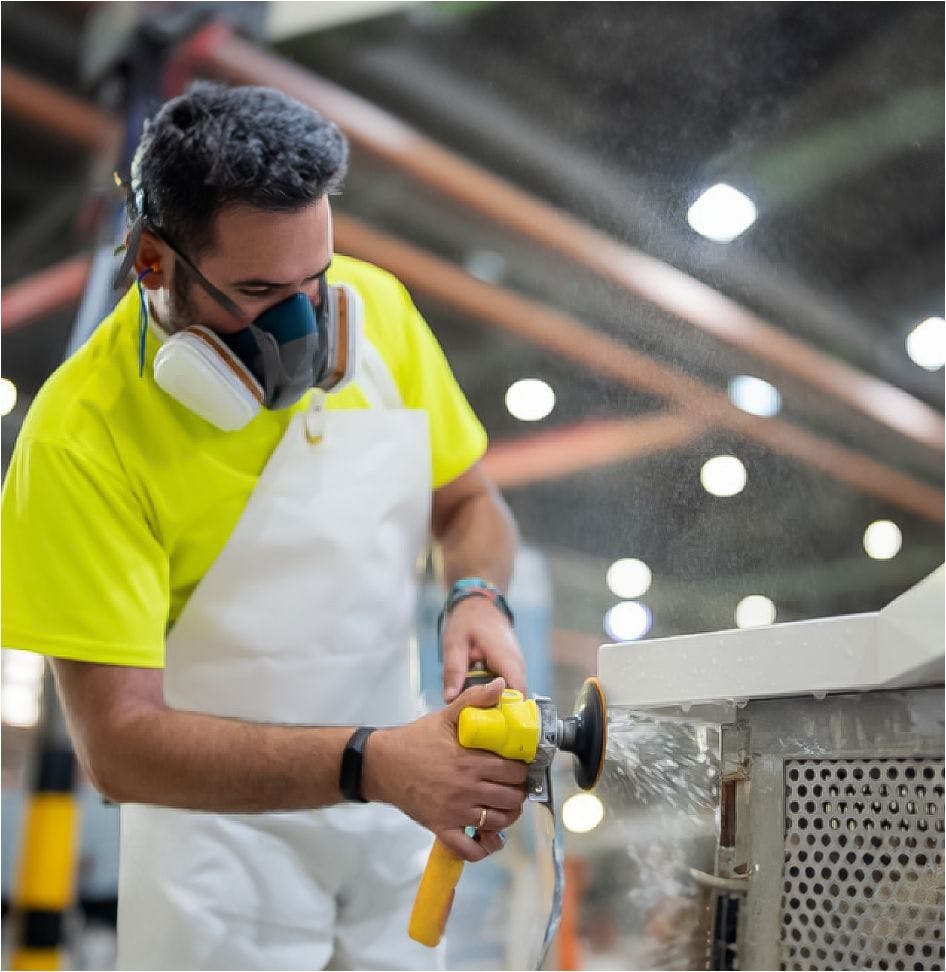
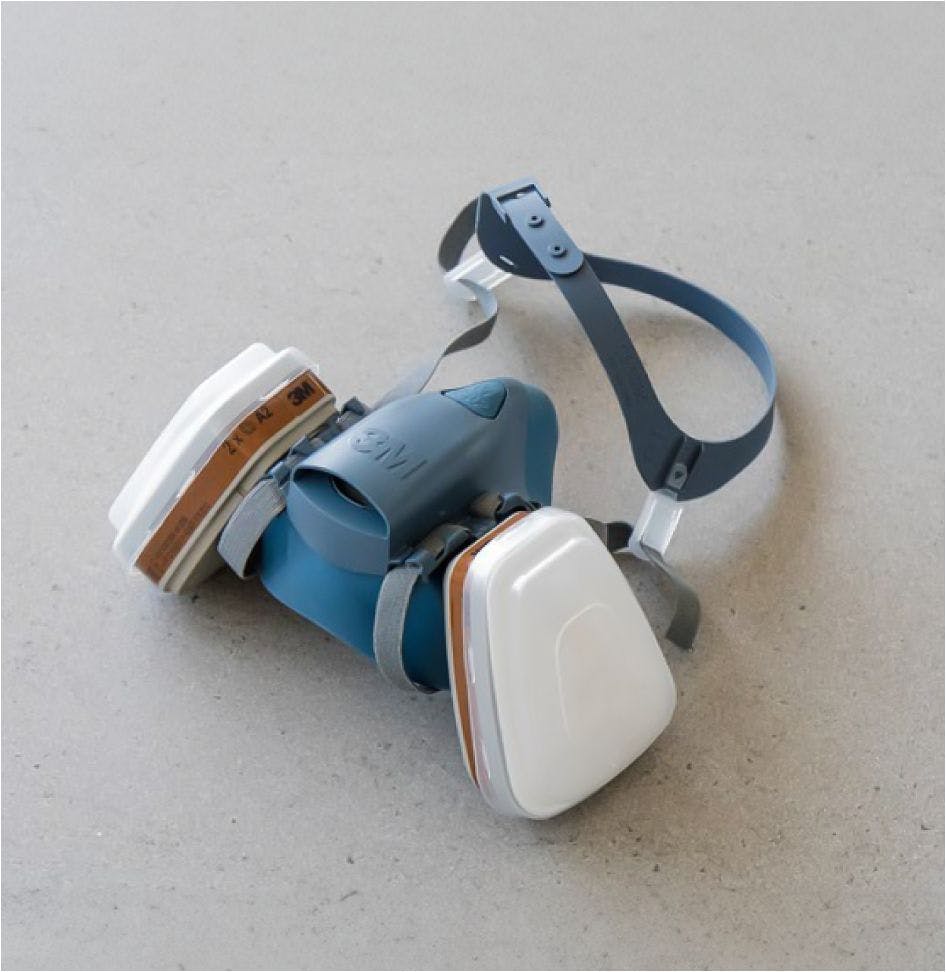
Fabrication of Silestone is fully safe as long as the fabricator follows appropriate safety measures.
WE TRANSFORM SPACES THAT TRANSFORM PEOPLE
Since its creation, Silestone has set major trends in its market, transforming the world of kitchen countertops and is today a benchmark in interior design. Once again, we evolve. Enjoy creating your own home. Be your own best designer.
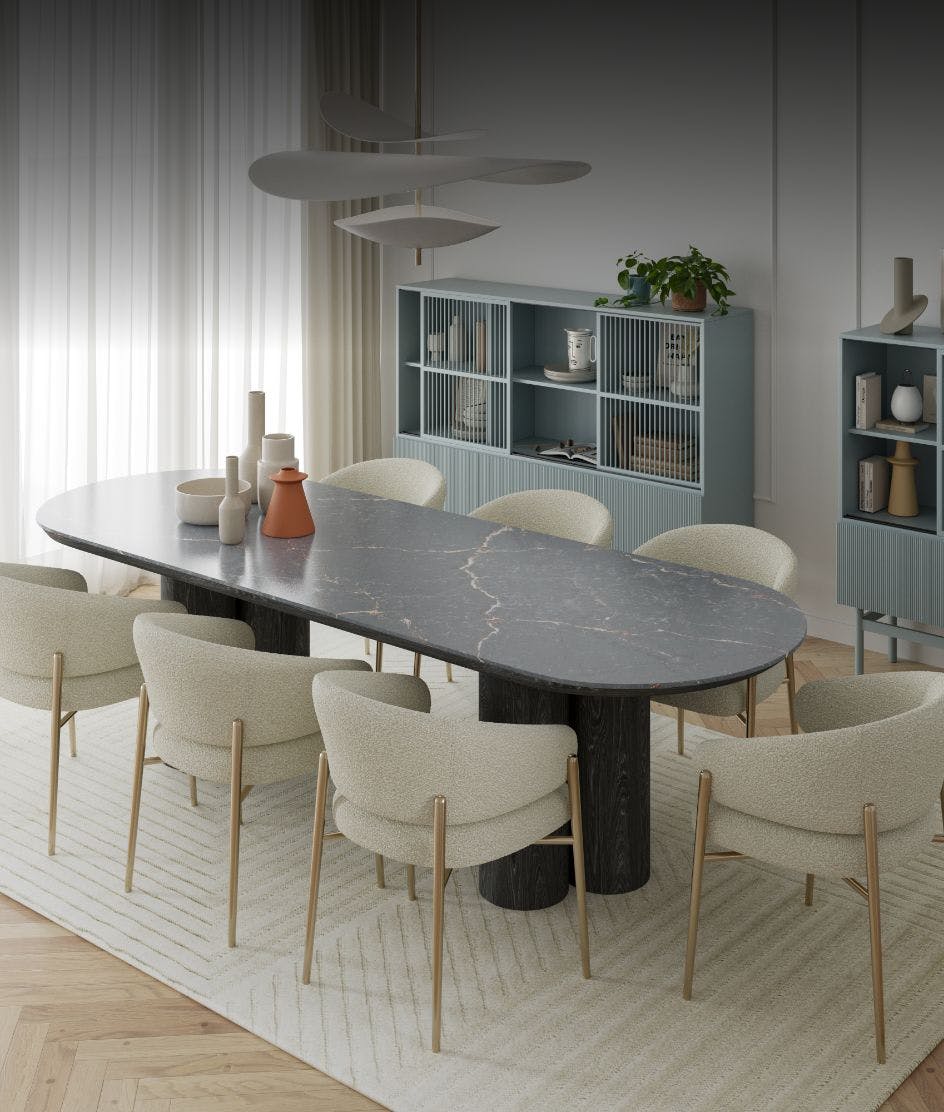
The Silestone spaces
A REVOLUTIONARY AND SUSTAINABLE PROCESS
Sun is our energy
DID YOU KNOW?

100% Renewable Electric Energy
We believe in renewable energy as a driving force for innovation.
For that reason, all electric energy used in the manufacturing process of Silestone is powered by energy from natural sources, minimizing our carbon footprint.
A REVOLUTIONARY AND SUSTAINABLE PROCESS
WE TAKE CARE OF THE PRESENT TO PROTECT THE TOMORROW
DID YOU KNOW?

99 % Recycled Water
We know water is our biggest resource.
That is why we use 99% of recycled water from Silestone manufacturing process, thanks to a circular system of continuous filtration that allows us to save every single drop.
A REVOLUTIONARY AND SUSTAINABLE PROCESS
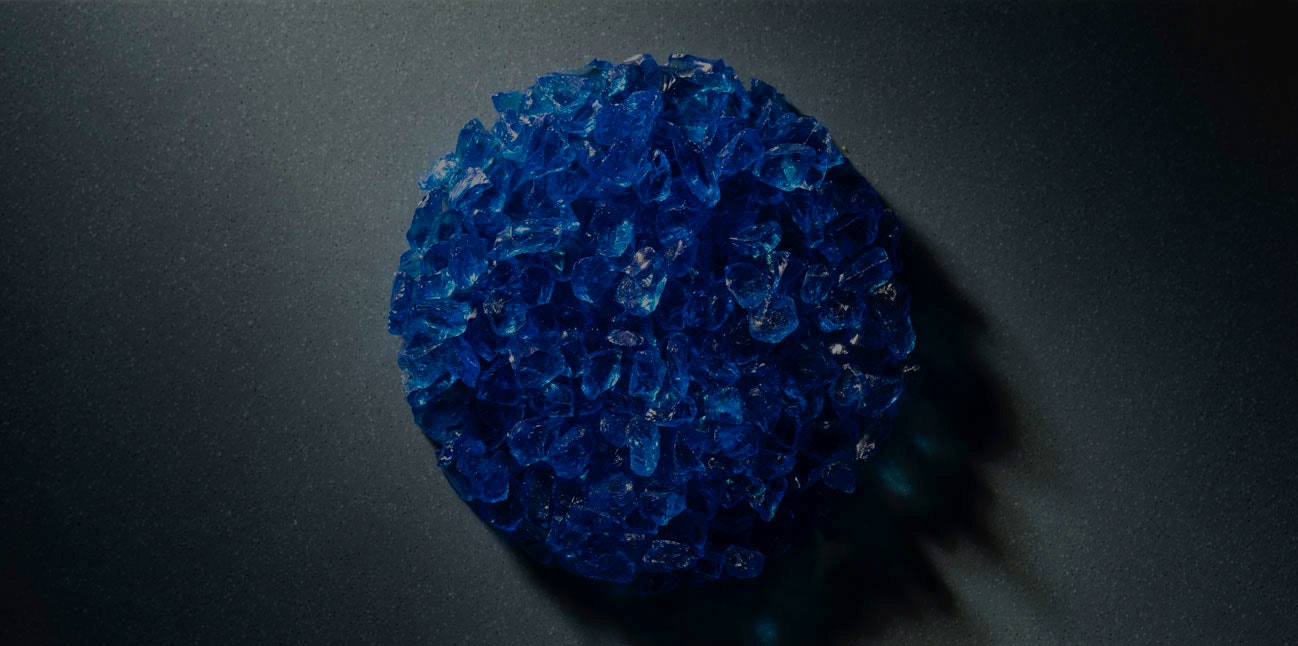
SELECTION OF PREMIUM MINERALS
Get to know our brands and discover their multiple possibilities for indoor and outdoor applications in your home
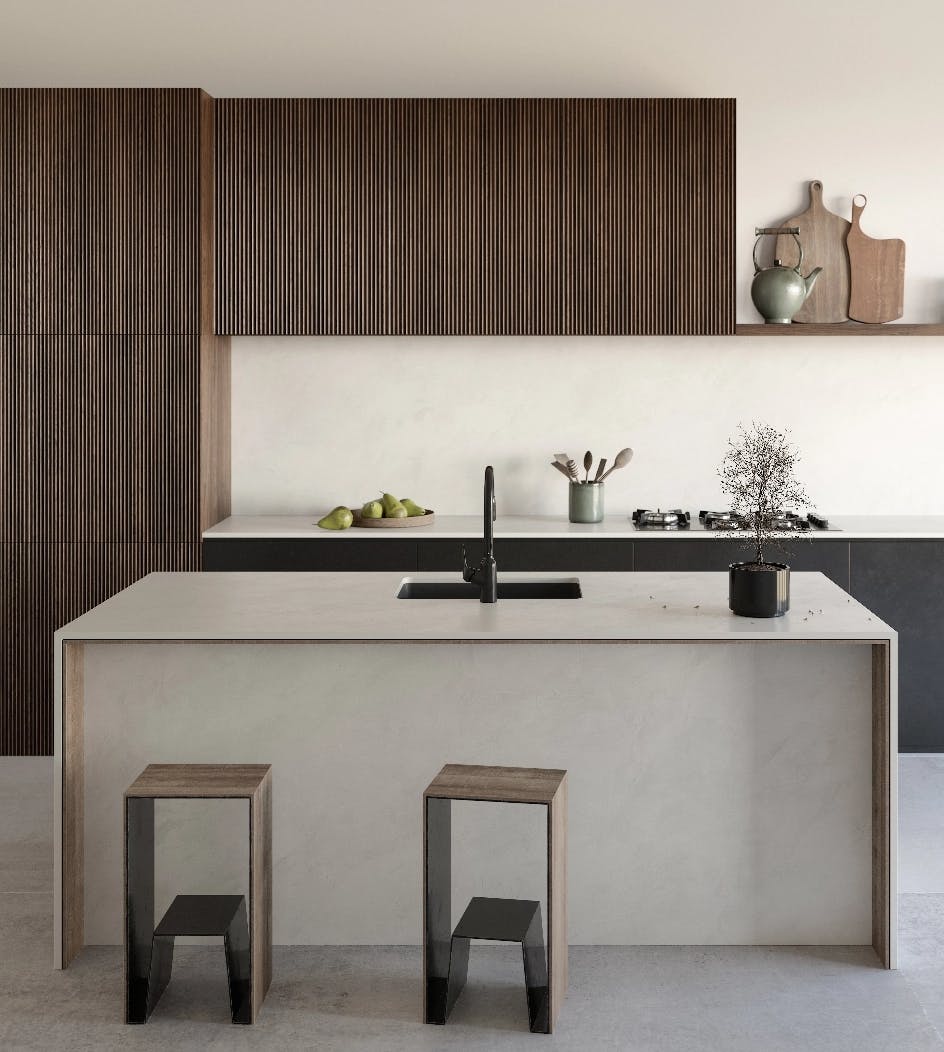

Dekton is Cosentino’s ultra-compact stone, an innovative technological surface composed of a sophisticated mixture of minerals that under pressure and heat become a material with low porosity and unique resistance.
More info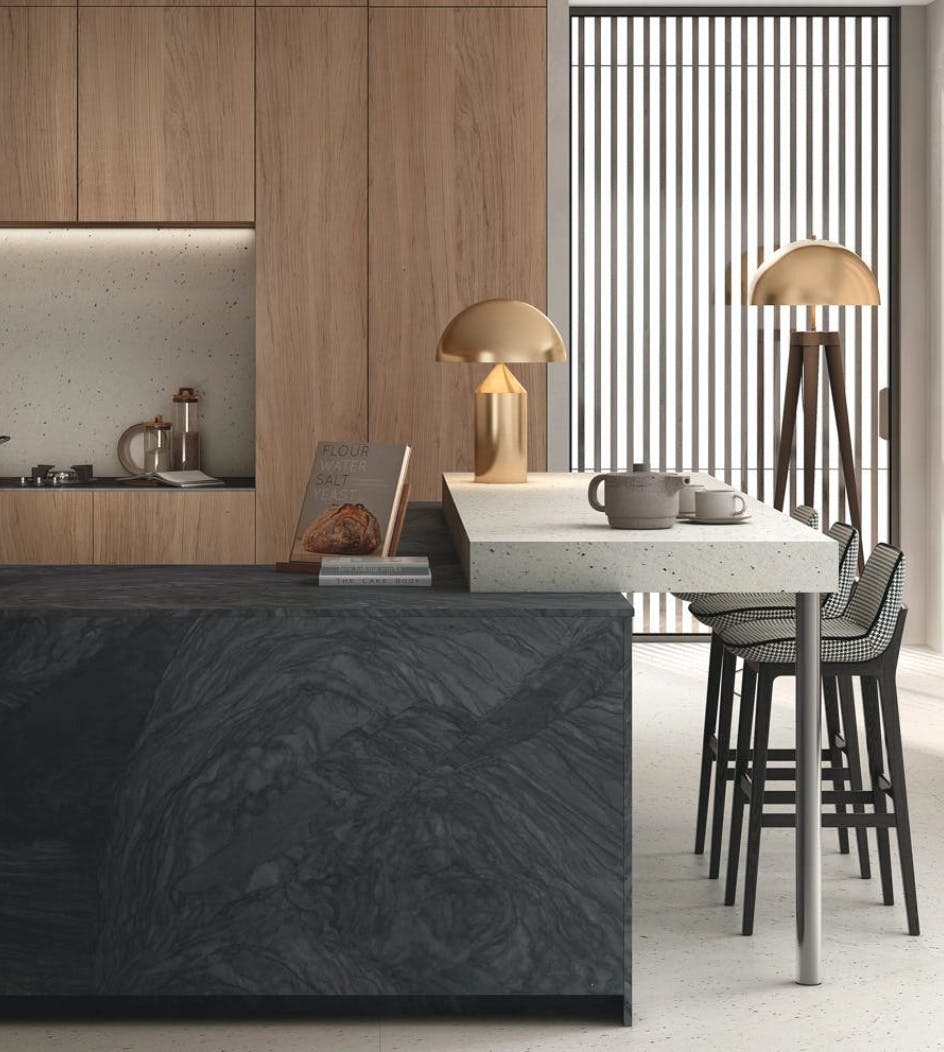

Sensa gives you the opportunity to enjoy natural stone without maintenance concerns. Its revolutionary stain treatment makes it durable for everyday use.
More info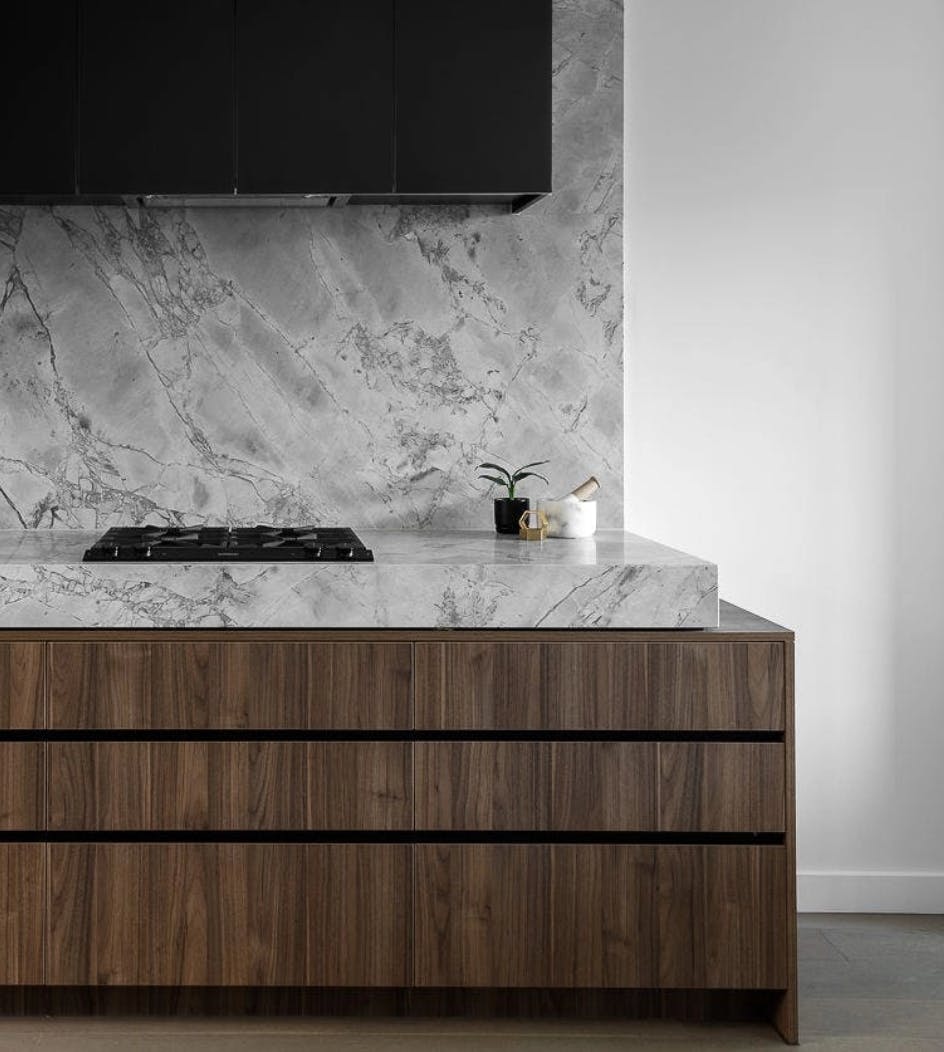

Cosentino has selected a wide range of stone from the world: Slates, Basalts, Brazilian Granites, Travertines… find out more and discover a world of colors and finishes.
More info